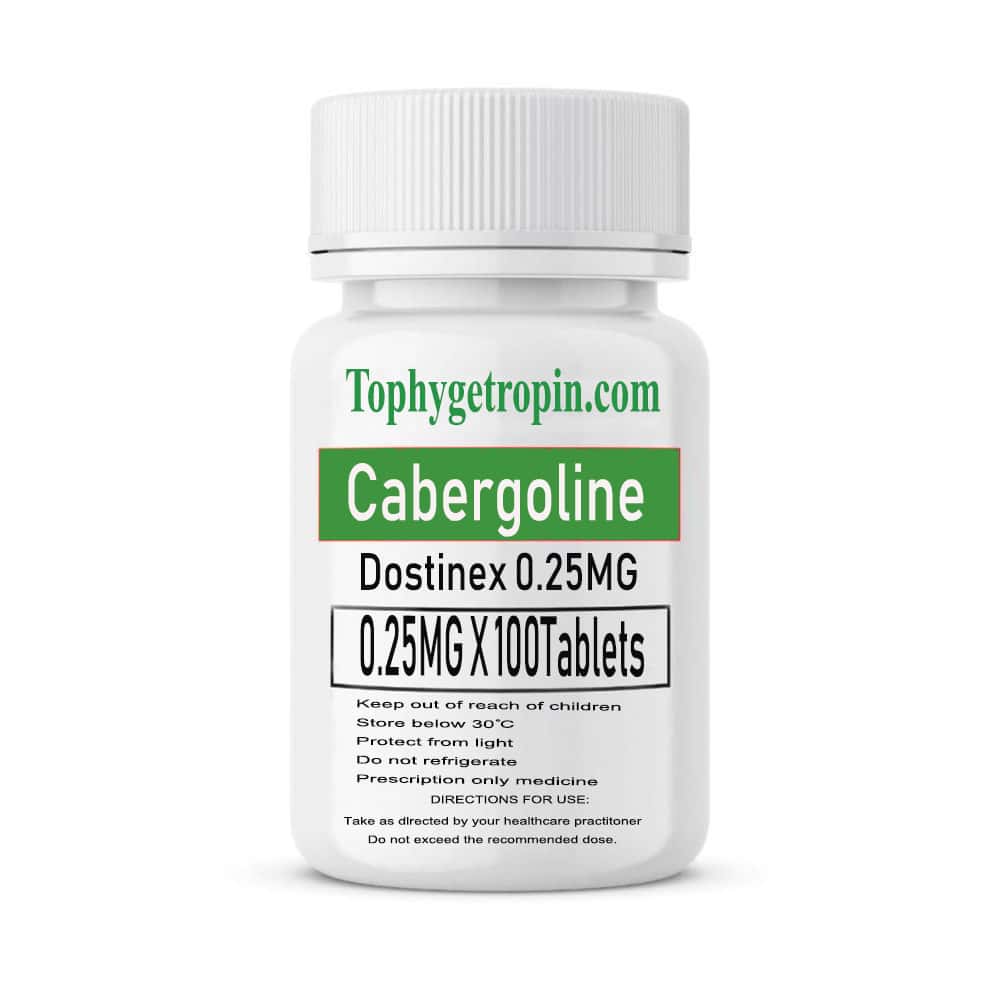
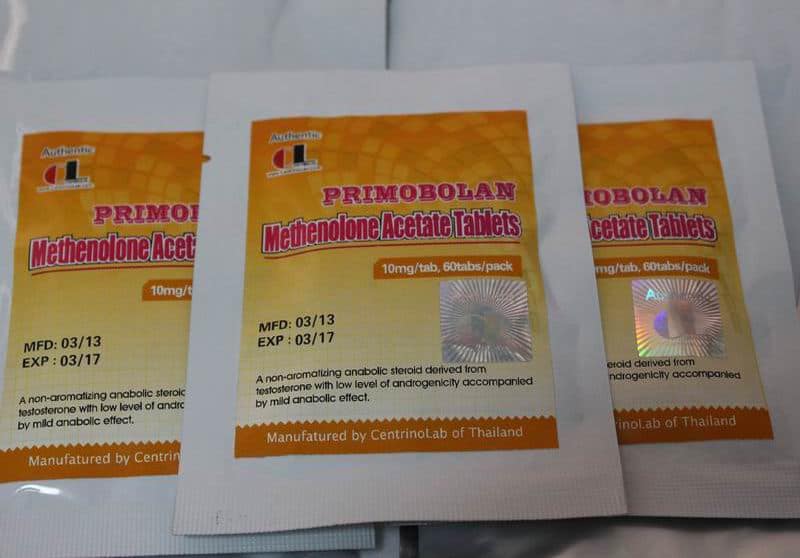
Dostinex Cabergoline Oral Steroids Tablets 0.25mg 100pcs
Original price was: $350.00.$120.00Current price is: $120.00.
Cabergoline (Dostinex) for comprehensive pituitary tumor treatment. Effective prolactinoma shrinkage and hormone regulation without surgery.
Out of stock
Free shipping on orders over $1500! 100% delivery
- Satisfaction Guaranteed
- No Hassle Refunds
- Secure Payments
Description
Cabergoline transforms pituitary tumor management as a non-surgical first-line treatment for prolactinomas and other dopamine-responsive pituitary adenomas. This comprehensive therapeutic approach combines tumor shrinkage, hormone normalization, and symptom resolution in a single, well-tolerated medication regimen.
What is Cabergoline (Dostinex)?
| Mechanism | Target | Clinical Effect |
|---|---|---|
| Dopamine D2 Agonism | Lactotroph Cells | Prolactin Suppression |
| Tumor Cell Inhibition | Adenoma Growth | Size Reduction |
| Vascular Effects | Tumor Blood Supply | Ischemic Shrinkage |
| Apoptotic Induction | Abnormal Cells | Selective Cell Death |
Cabergoline Benefits and Effects
| Therapeutic Outcome | Success Rate | Timeline | Duration |
|---|---|---|---|
| Prolactin Normalization | 85-95% | 2-4 weeks | Sustained with treatment |
| Tumor Shrinkage >25% | 70-90% | 3-6 months | Progressive improvement |
| Visual Field Improvement | 60-80% | 6-12 months | Often permanent |
| Fertility Restoration | 80-95% | 1-3 months | Maintained during therapy |
| Symptom Resolution | 90-95% | 4-8 weeks | Complete with treatment |
Cabergoline Side Effects and Safety
| Side Effect Category | Frequency | Severity | Management |
|---|---|---|---|
| Nausea/GI Effects | 20-30% | Mild-Moderate | Food intake, gradual dosing |
| Dizziness/Hypotension | 15-25% | Mild | Slow position changes |
| Fatigue/Weakness | 10-15% | Mild | Usually transient |
| Cardiac Valvulopathy | <1% | Potentially Serious | Regular cardiac monitoring |
| Impulse Disorders | 1-5% | Variable | Dose reduction, monitoring |
Main Cabergoline Use Cases
Prolactinoma Treatment: First-line therapy for both micro- And macroprolactinomas with excellent tumor shrinkage rates
Non-Functioning Adenomas: Adjunctive treatment for mixed tumors with prolactin secretion
Surgical Alternative: Avoiding invasive procedures in appropriate candidates
Post-Surgical Management: Treating residual or recurrent tumors after incomplete resection
Radiation Adjunct: Bridging therapy during radiotherapy treatment periods
Cabergoline Dosage Guidelines
| Tumor Type | Starting Dose | Typical Range | Maximum Dose |
|---|---|---|---|
| Microprolactinoma | 0.25mg 2x/week | 0.25-1mg/week | 2mg/week |
| Macroprolactinoma | 0.5mg 2x/week | 0.5-3mg/week | 4.5mg/week |
| Giant Adenoma | 1mg 2x/week | 2-4.5mg/week | 11.25mg/week |
| Resistant Cases | Variable | 3-6mg/week | Up to 11.25mg/week |
Cabergoline Cycle Guidelines
Initial Response Phase: 3-6 months for tumor shrinkage and prolactin normalization
Consolidation Period: 6-24 months for maximum tumor reduction
Maintenance Therapy: Long-term treatment often required to prevent regrowth
Monitoring Schedule: MRI every 6-12 months, prolactin levels every 3-6 months
Discontinuation Trials: Considered after 2-3 years of stable remission in select cases
Cabergoline Administration Guide
Tumor-Specific Dosing: Individualized based on tumor size, prolactin levels, and patient tolerance
Response Monitoring: Regular assessment of tumor size via MRI and hormonal status
Dose Optimization: Gradual titration to achieve maximum benefit with minimal side effects
Combination Therapy: Potential integration with other treatments for resistant cases
Emergency Management: Protocols for tumor apoplexy or rapid visual deterioration
Cabergoline Treatment Duration
Acute Management: 3-6 months for initial tumor response and symptom relief
Consolidation Phase: 1-2 years for optimal tumor shrinkage
Long-Term Control: Often indefinite therapy to prevent tumor regrowth
Remission Attempts: Carefully planned discontinuation trials in appropriate candidates
Lifetime Monitoring: Regular surveillance even during treatment-free periods
Cabergoline Storage Instructions
Optimal Conditions: Room temperature storage protecting from light and moisture
Stability Assurance: Maintain in original packaging with desiccant
Quality Preservation: Avoid temperature extremes and humidity exposure
Safety Storage: Secure location away from children and unauthorized access
Expiration Management: Regular inventory checks and proper disposal procedures
Why Choose Cabergoline for Pituitary Tumor Management?
Non-Surgical Approach: Avoids risks and complications associated with transsphenoidal surgery
better Efficacy: Higher success rates than surgery for prolactinomas with lower morbidity
Comprehensive Treatment: Addresses both tumor size and hormonal dysfunction simultaneously
Reversible Effects: Allows for treatment modification without permanent anatomical changes
Quality Preservation: Maintains pituitary function while eliminating pathological tissue
Summary
Cabergoline represents a paradigm shift in pituitary tumor management, offering comprehensive non-surgical treatment that effectively combines tumor shrinkage with hormonal normalization. Its strong success rates in prolactinoma treatment, combined with excellent tolerability and convenient dosing, make it the preferred first-line therapy for most prolactin-secreting pituitary adenomas. The medication’s ability to achieve significant tumor reduction while preserving normal pituitary function provides patients with an excellent alternative to surgical intervention, often with better long-term outcomes and significantly reduced morbidity.
Cabergoline FAQ
You must be logged in to post a review.
Related products
-
 Sold Out!
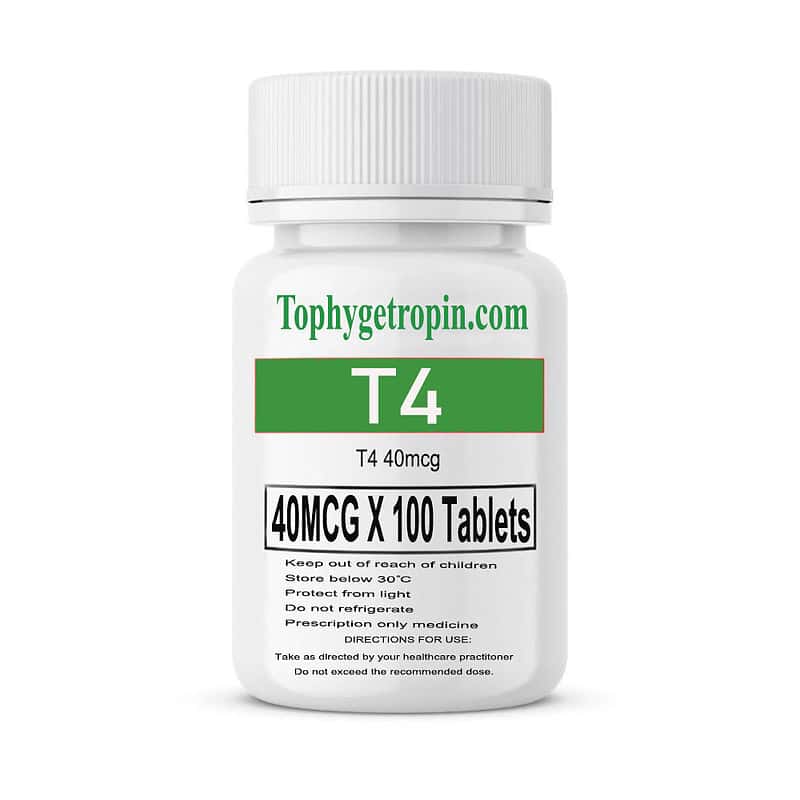
T4 Thyroxine Oral Steroids Tablets 40mcg 100 tablets
Original price was: $110.00.$50.00Current price is: $50.00. -
Sale!
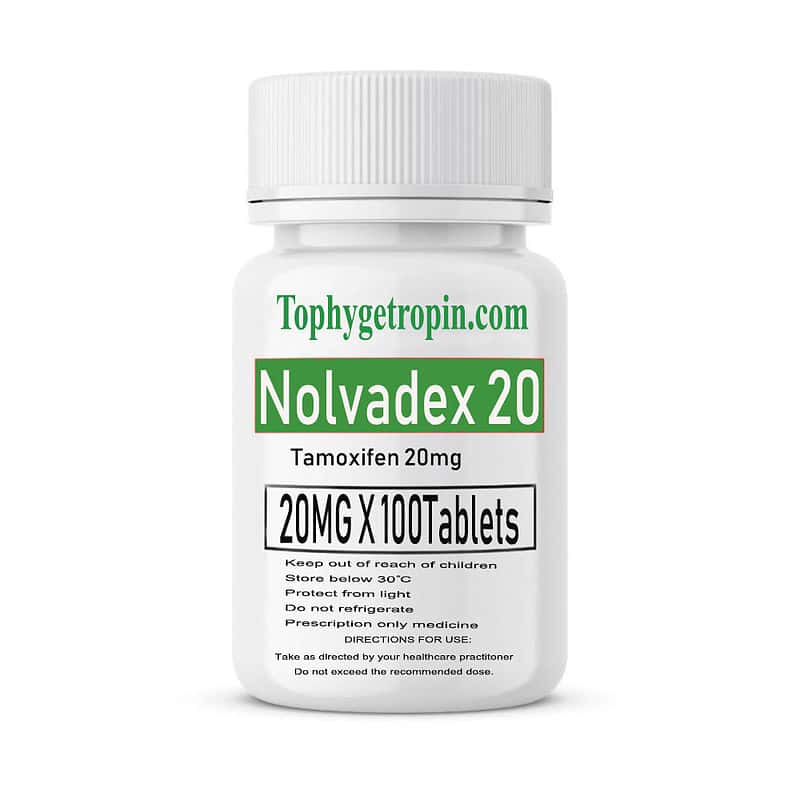
Tamoxifen Nolvadex Oral Steroids Tablets 20mg 100 tablets Wholesale In Cheaper Price
Original price was: $120.00.$45.00Current price is: $45.00. -
 Sold Out!
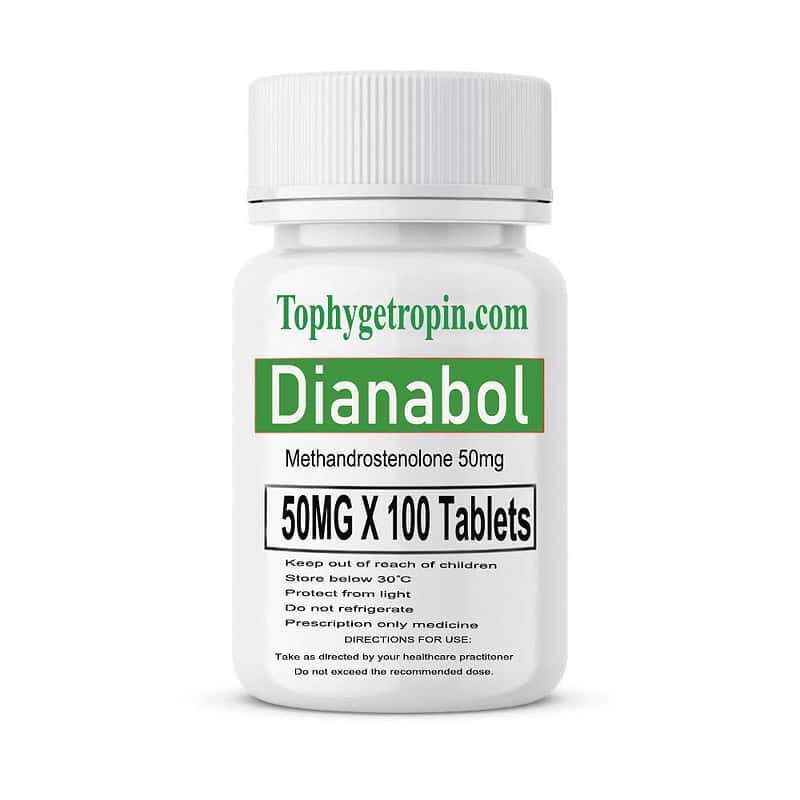
DIANABOL Methandrostenolone Methandienone Oral Steroids Tablets 50mg 100 tablets
Original price was: $120.00.$85.00Current price is: $85.00. -
 Sold Out!
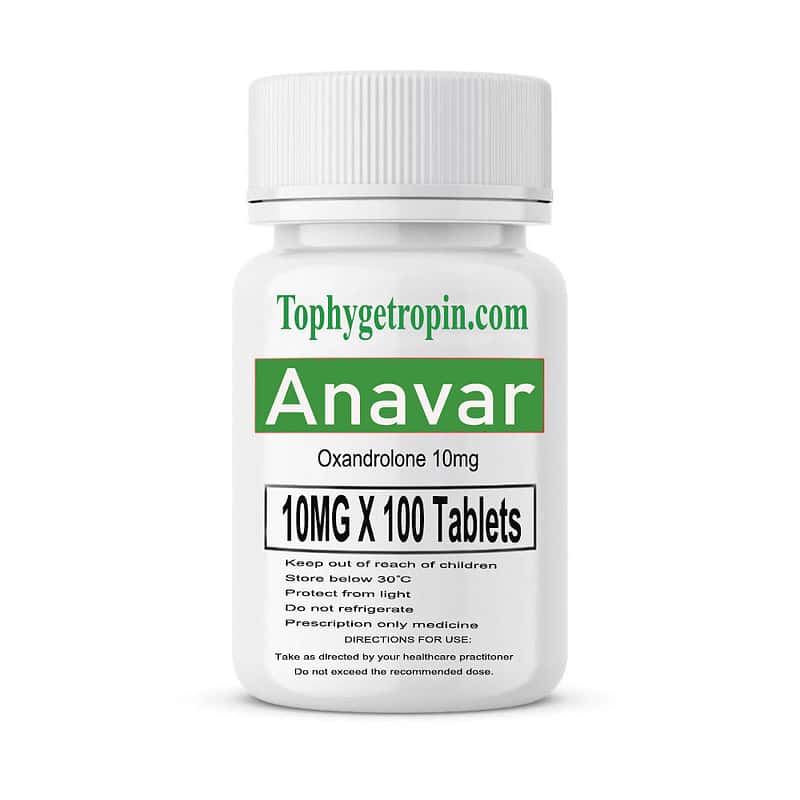
ANAVAR Oxandrolone Oral Steroids Tablets 10mg 100 tablets
Original price was: $110.00.$55.00Current price is: $55.00.
Reviews
There are no reviews yet.