Description
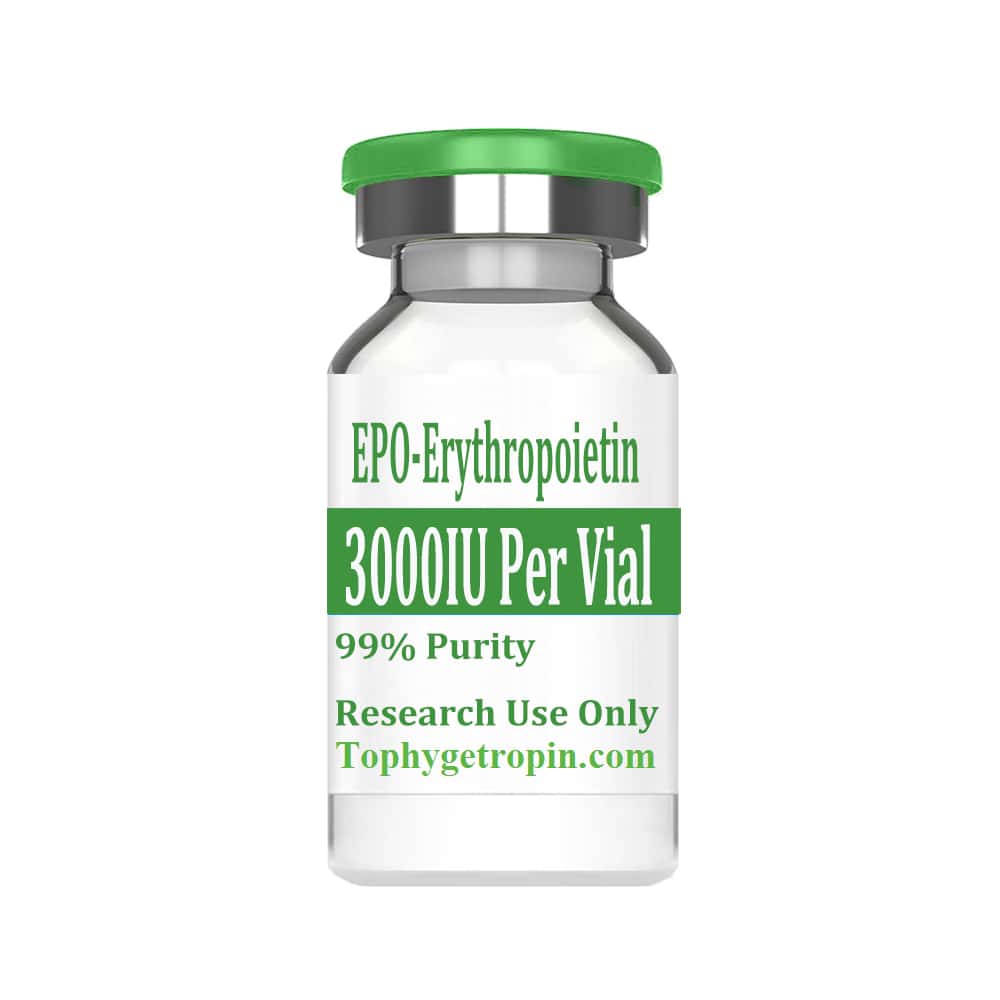
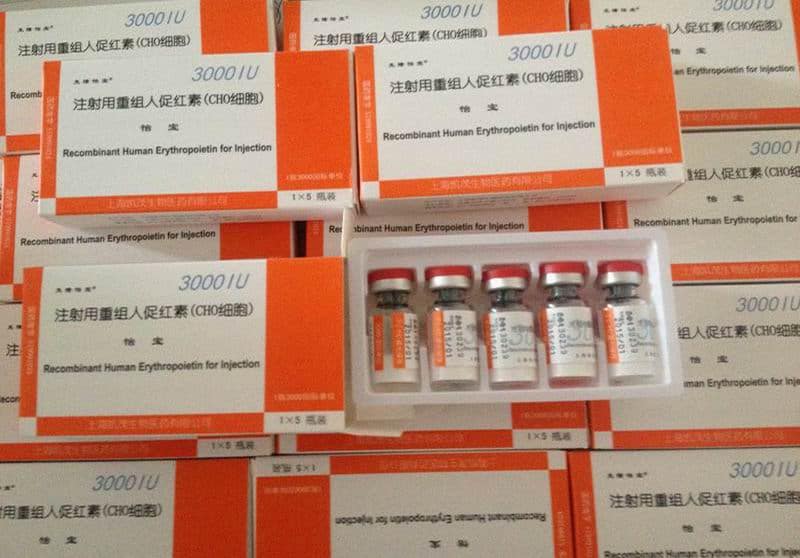
EPO (Erythropoietin) provides specialized anemia support for cancer patients undergoing chemotherapy and other treatments that suppress bone marrow function. This therapeutic hormone helps maintain red blood cell production during cancer therapy, reducing transfusion requirements, improving quality of life, and enabling patients to better tolerate intensive treatment regimens. EPO therapy requires careful oncology supervision to balance anemia correction with cancer treatment safety considerations.
What is EPO?
| EPO Characteristic |
Cancer Treatment Context |
Therapeutic Benefit |
Clinical Consideration |
| Glycoprotein Hormone |
Stimulates bone marrow recovery |
Counters chemotherapy suppression |
Requires oncology supervision |
| Red Blood Cell Stimulation |
Maintains hemoglobin during treatment |
Reduces transfusion needs |
Monitor for tumor effects |
| Recombinant Human EPO |
Replaces natural hormone deficiency |
Supports treatment tolerance |
Coordinate with chemotherapy |
| Targeted Therapy |
Addresses specific anemia causes |
Improves quality of life |
Balance benefits vs risks |
EPO Benefits and Effects
| Benefit Category |
Specific Effects |
Cancer Patient Impact |
Treatment Outcomes |
| Anemia Correction |
Hemoglobin increase 1-2 g/dL |
Reduced fatigue and weakness |
Better treatment tolerance |
| Transfusion Reduction |
50-70% decrease in transfusion needs |
Lower infection and complications |
Reduced hospital visits |
| Quality of Life |
Improved energy and cognitive function |
Enhanced daily activities |
Better psychological well-being |
| Treatment Tolerance |
Maintains performance status |
Enables full-dose chemotherapy |
Improved treatment outcomes |
| Recovery Support |
Faster hematologic recovery |
Shorter treatment delays |
Maintained treatment schedules |
| Symptom Management |
Reduces dyspnea and exercise intolerance |
Improved physical functioning |
Enhanced patient comfort |
EPO Side Effects and Safety
| Side Effect |
Incidence in Cancer Patients |
Management Strategy |
Monitoring Requirements |
| Thrombotic Events |
2-5% increased risk |
Target hemoglobin 10-12 g/dL |
Regular coagulation assessment |
| Tumor Progression Concerns |
Theoretical risk with EPO receptors |
Careful patient selection |
Oncology oversight required |
| Hypertension |
10-15% of patients |
Blood pressure monitoring |
Antihypertensive therapy if needed |
| Iron Deficiency |
Common with increased RBC production |
Concurrent iron supplementation |
Regular iron studies |
| Injection Site Reactions |
5-10% mild reactions |
Site rotation and proper technique |
Local symptom monitoring |
| Flu-like Symptoms |
Mild, transient in some patients |
Supportive care measures |
Symptom tracking |
Main EPO Use Cases
| Cancer Type |
Treatment Indication |
EPO Application |
Expected Benefits |
| Solid Tumors |
Chemotherapy-induced anemia |
Supportive care during treatment |
Maintained treatment intensity |
| Hematologic Malignancies |
Bone marrow suppression |
Recovery support between cycles |
Reduced transfusion dependence |
| Breast Cancer |
Anthracycline/taxane regimens |
Quality of life maintenance |
Improved treatment completion rates |
| Lung Cancer |
Platinum-based chemotherapy |
Performance status preservation |
Enhanced treatment tolerance |
| Colorectal Cancer |
Multi-agent chemotherapy |
Anemia prevention and treatment |
Optimized treatment delivery |
| Gynecologic Cancers |
Combination chemotherapy |
Functional status maintenance |
Improved quality of life scores |
EPO Dosage Guidelines
| Treatment Phase |
Dosing Protocol |
Administration |
Monitoring |
| Initial Therapy |
150 IU/kg 3x weekly or 40,000 IU weekly |
Subcutaneous injection |
Weekly hemoglobin checks |
| Dose Escalation |
Increase by 25% if no response in 4 weeks |
Continue subcutaneous route |
Bi-weekly monitoring |
| Maintenance |
Adjust to maintain Hgb 10-12 g/dL |
Reduce frequency if stable |
Monthly assessment |
| Iron Supplementation |
Oral or IV iron as indicated |
Coordinate with EPO therapy |
Iron studies every 2-4 weeks |
| Treatment Breaks |
Hold if Hgb >12 g/dL |
Resume at reduced dose |
Continue monitoring |
EPO Cycle Guidelines
| Cycle Aspect |
Recommendation |
Cancer Considerations |
Safety Measures |
| Treatment Duration |
Throughout active chemotherapy |
Coordinate with oncology plan |
Regular benefit-risk assessment |
| Response Timeline |
Evaluate after 4-6 weeks |
Consider treatment delays |
Monitor for efficacy markers |
| Cycle Coordination |
Align with chemotherapy schedule |
Optimize timing for synergy |
Prevent treatment conflicts |
| Break Periods |
Continue during chemotherapy breaks |
Maintain hemoglobin stability |
Assess ongoing need |
| Post-Treatment |
Gradual discontinuation |
Monitor for recovery |
Prevent rebound anemia |
EPO Administration Guide
| Administration Factor |
Best Practice |
Cancer Patient Considerations |
Safety Protocols |
| Route |
Subcutaneous injection |
Avoid IV in thrombocytopenic patients |
Assess platelet count before injection |
| Site Selection |
Rotate between approved sites |
Avoid areas with radiation dermatitis |
Monitor for skin integrity |
| Timing |
Consistent schedule alignment |
Coordinate with clinic visits |
Optimize patient convenience |
| Technique |
Sterile procedure protocols |
Enhanced infection precautions |
Immunocompromised considerations |
| Patient Education |
Comprehensive training program |
Include caregivers in education |
Emergency contact protocols |
EPO Treatment Duration
| Treatment Phase |
Duration |
Goals |
Transition Planning |
| Active Chemotherapy |
Throughout treatment course |
Maintain hemoglobin 10-12 g/dL |
Weekly to bi-weekly monitoring |
| Treatment Completion |
2-4 weeks post-chemotherapy |
Support hematologic recovery |
Assess need for continuation |
| Surveillance Period |
As clinically indicated |
Monitor for recurrent anemia |
Gradual dose reduction |
| Long-term Follow-up |
Based on disease status |
Quality of life maintenance |
Coordinated survivorship care |
EPO Storage Instructions
| Storage Requirement |
Specification |
Cancer Patient Considerations |
Quality Assurance |
| Temperature |
2-8??C refrigeration |
Home storage education essential |
Temperature monitoring devices |
| Light Protection |
Original packaging |
Patient transport considerations |
Protect during clinic visits |
| Stability |
Never freeze |
Emergency backup plans |
Pharmacy coordination |
| Sterility |
Single-use preparations |
Infection prevention priority |
Aseptic handling protocols |
| Expiration |
Strict date adherence |
Treatment schedule coordination |
Inventory management systems |
Why Choose EPO for Cancer Treatment Anemia?
| Advantage |
Clinical Benefit |
Patient Impact |
Treatment Outcome |
| Proven Efficacy |
Established anemia management |
Improved energy and function |
Enhanced treatment tolerance |
| Quality of Life |
Reduced fatigue and weakness |
Better daily functioning |
Psychological well-being |
| Transfusion Reduction |
Lower complication risk |
Fewer hospital visits |
Healthcare cost savings |
| Treatment Continuity |
Maintains dose intensity |
Fewer treatment delays |
Optimized cancer outcomes |
| Safety Profile |
Well-established in oncology |
Manageable side effects |
Acceptable risk-benefit ratio |
Summary
EPO provides essential anemia support for cancer patients undergoing chemotherapy and other myelosuppressive treatments, helping maintain red blood cell production and quality of life during intensive cancer therapy. This specialized hormone therapy reduces transfusion requirements, improves treatment tolerance, and enables patients to complete their prescribed cancer treatment regimens more effectively. However, EPO use in cancer patients requires careful oncology supervision to balance anemia correction benefits against potential risks. Proper storage, administration, and monitoring protocols ensure safe and effective anemia management throughout the cancer treatment journey.
EPO FAQ
Q: When is EPO recommended for cancer patients?
A: Typically for chemotherapy-induced anemia when hemoglobin falls below 10 g/dL and transfusion alternatives are needed.
Q: How does EPO help cancer patients tolerate treatment?
A: By correcting anemia, it reduces fatigue and maintains performance status, enabling completion of full-intensity treatment regimens.
Q: Are there cancer types where EPO should be avoided?
A: Requires careful evaluation in tumors expressing EPO receptors; oncology oversight essential for all cancer patients.
Q: How quickly does EPO work in cancer patients?
A: Hemoglobin response typically begins in 2-4 weeks, with clinical benefit often seen within 4-6 weeks.
Q: Can EPO be given during active chemotherapy?
A: Yes, it’s commonly used throughout chemotherapy cycles to maintain hemoglobin and support treatment tolerance.
Reviews
There are no reviews yet.