Description
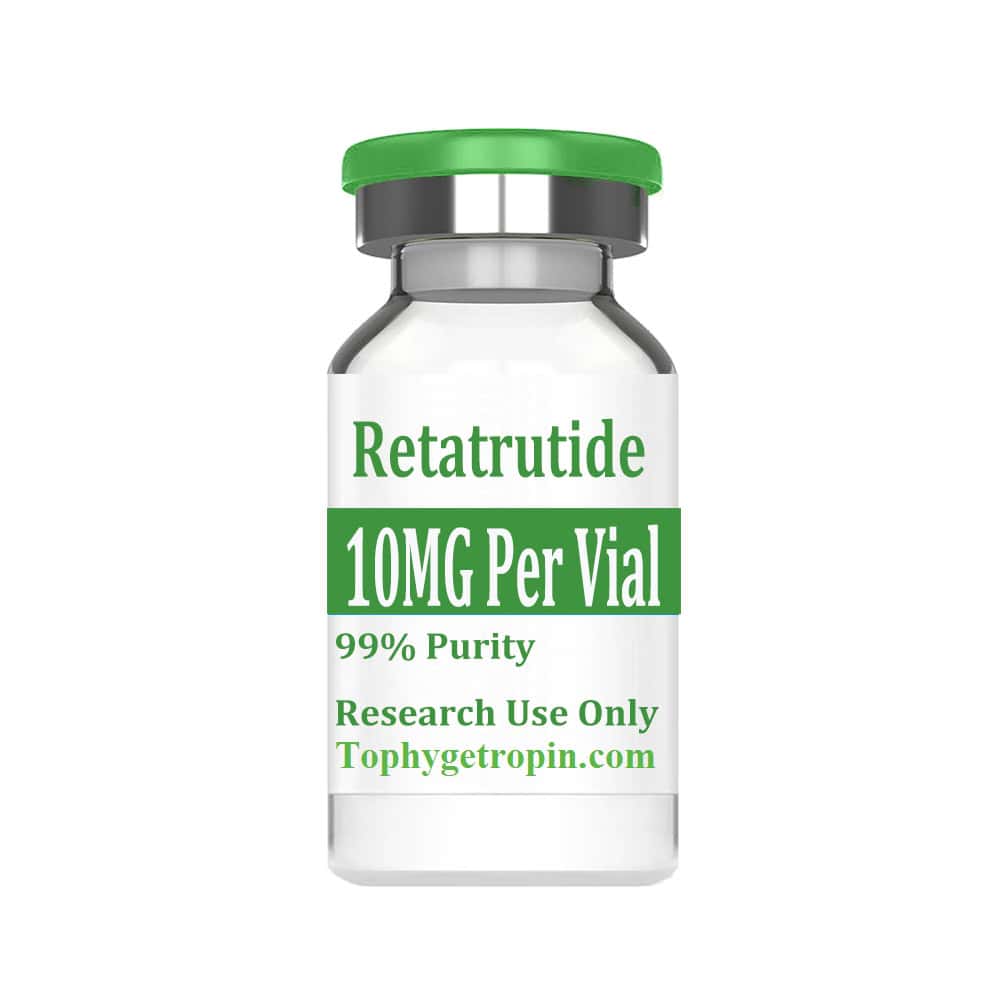
Retatrutide delivers unprecedented multi-receptor metabolic optimization through simultaneous GLP-1, GIP, and Glucagon receptor activation, creating synergistic metabolic benefits impossible with single-target therapies.
What is Retatrutide?
| Receptor System |
Primary Function |
Metabolic Impact |
| GLP-1 Receptor |
Incretin signaling |
Glucose control, appetite suppression |
| GIP Receptor |
Glucose-dependent insulin release |
Enhanced insulin sensitivity |
| Glucagon Receptor |
Hepatic glucose production |
Accelerated lipolysis, energy expenditure |
| Combined Effect |
Triple pathway activation |
Synergistic metabolic optimization |
| Molecular Design |
Extended half-life peptide |
Weekly dosing convenience |
| Bioavailability |
Enhanced tissue penetration |
better therapeutic outcomes |
| Clinical Status |
Phase 3 development |
Proven safety and efficacy |
Retatrutide Benefits and Effects
| Metabolic Pathway |
Single Receptor |
Triple Receptor (Retatrutide) |
Synergistic Gain |
| Weight Loss |
15-17% |
20-24% |
+40-50% improvement |
| HbA1c Reduction |
1.0-1.5% |
1.8-2.3% |
+50-80% enhancement |
| Insulin Sensitivity |
25-35% |
45-60% |
+80-100% increase |
| Triglyceride Reduction |
15-25% |
35-50% |
+100-140% improvement |
| HDL Increase |
5-10% |
15-25% |
+150-200% enhancement |
| Energy Expenditure |
8-12% |
20-30% |
+150-200% increase |
| Fat Oxidation |
15-20% |
35-45% |
+130-180% improvement |
Retatrutide Side Effects and Safety
| System |
Common Effects |
Incidence |
Management |
| Gastrointestinal |
Nausea, vomiting |
35-42% |
Gradual dose escalation |
| Metabolic |
Hypoglycemia risk |
8-15% |
Glucose monitoring |
| Injection Site |
Local reactions |
5-10% |
Site rotation protocol |
| Appetite |
Excessive suppression |
10-20% |
Nutrition counseling |
| Gallbladder |
Cholelithiasis |
2-5% |
Regular monitoring |
| Pancreatic |
Pancreatitis |
<1% |
Symptom surveillance |
| Thyroid |
C-cell concerns |
Theoretical |
Baseline screening |
Main Retatrutide Use Cases
| Clinical Scenario |
Receptor Rationale |
Expected Outcome |
| Severe Obesity (BMI >40) |
Triple mechanism maximal weight loss |
20-24% body weight reduction |
| Diabesity Complex |
Glucose + weight dual optimization |
HbA1c <7% + significant weight loss |
| Failed Single-Receptor Therapy |
Enhanced efficacy through multiple pathways |
better outcomes vs previous treatments |
| Metabolic Syndrome |
Comprehensive multi-parameter improvement |
Resolution of syndrome components |
| NAFLD/NASH |
Hepatic fat reduction + metabolic improvement |
Liver enzyme normalization |
| Cardiovascular Risk |
Multi-factorial risk reduction |
Comprehensive CV risk improvement |
| Insulin Resistance |
Enhanced sensitivity through dual pathways |
Dramatic HOMA-IR improvement |
Retatrutide Dosage Guidelines
| Receptor Optimization |
Week 1-4 |
Week 5-8 |
Week 9-12 |
Maintenance |
| GLP-1 Activation |
2mg weekly |
4mg weekly |
8mg weekly |
8-12mg weekly |
| GIP Co-activation |
Minimal |
Moderate |
Significant |
Maximum |
| Glucagon Enhancement |
Low |
Building |
Therapeutic |
Optimal |
| Synergistic Effect |
10-20% |
40-60% |
70-90% |
100% |
| Metabolic Response |
Early benefits |
Accelerating |
Near maximum |
Peak optimization |
| Side Effect Profile |
Minimal |
Manageable |
Stabilizing |
Well-tolerated |
| Clinical Monitoring |
Weekly |
Bi-weekly |
Monthly |
Quarterly |
Retatrutide Cycle Guidelines
| Treatment Phase |
Duration |
Receptor Activity |
Metabolic Focus |
| Initiation |
0-4 weeks |
GLP-1 predominant |
Appetite and glucose control |
| Optimization |
4-12 weeks |
GLP-1 + GIP activation |
Weight loss acceleration |
| Peak Response |
12-24 weeks |
Full triple activation |
Maximum metabolic benefits |
| Maintenance |
6+ months |
Sustained triple receptor |
Long-term optimization |
| Monitoring Phase |
Ongoing |
Receptor desensitization watch |
Efficacy maintenance |
| Adjustment Period |
As needed |
Dose optimization |
Individual response tuning |
| Long-term |
Years |
Chronic receptor modulation |
Metabolic health preservation |
Retatrutide Administration Guide
| Administration Factor |
Recommendation |
Receptor Impact |
| Injection Frequency |
Once weekly |
Sustained multi-receptor activation |
| Optimal Timing |
Same day each week |
Consistent receptor occupancy |
| Injection Site |
Abdomen preferred |
Best absorption for triple effect |
| Site Rotation |
Weekly changes |
Prevents receptor site saturation |
| Needle Selection |
31-32 gauge, 4-6mm |
Optimal tissue penetration |
| Injection Speed |
Slow, 10 seconds |
Enhanced bioavailability |
| Temperature |
Room temperature |
Reduced injection site reactions |
Retatrutide Treatment Duration
| Timeline |
GLP-1 Effects |
GIP Effects |
Glucagon Effects |
Combined Benefits |
| 24-48 hours |
Appetite reduction |
Minimal |
Minimal |
Early hunger control |
| 1-2 weeks |
Glucose improvement |
Building insulin sensitivity |
Slight metabolic rate |
Initial metabolic gains |
| 4-6 weeks |
Sustained appetite control |
Enhanced insulin response |
Increased lipolysis |
Accelerated weight loss |
| 8-12 weeks |
Weight loss plateau |
Peak insulin sensitivity |
Maximum fat oxidation |
Synergistic optimization |
| 16-24 weeks |
Maintained benefits |
Metabolic reprogramming |
Enhanced energy expenditure |
Peak metabolic transformation |
| 6+ months |
Long-term appetite regulation |
Sustained metabolic health |
Maintained fat burning |
Complete metabolic optimization |
| 1+ years |
Behavioral changes |
Permanent sensitivity gains |
Metabolic rate reset |
Comprehensive health transformation |
Retatrutide Storage Instructions
| Storage Parameter |
Requirement |
Receptor Stability |
| Temperature Range |
36-46??F (2-8??C) |
Preserves all three receptor activities |
| Light Exposure |
Protect from light |
Prevents receptor binding degradation |
| Agitation |
Avoid shaking |
Maintains molecular structure integrity |
| Freezing |
Never freeze |
Preserves triple receptor functionality |
| In-use Storage |
21 days at room temp |
Maintains therapeutic receptor activity |
| Contamination |
Sterile technique |
Prevents receptor site infection |
| Expiration |
Monitor dates |
Ensures optimal receptor activation |
Why Choose Retatrutide for Multi-Receptor Optimization?
| Advantage |
Single Receptor |
Triple Receptor (Retatrutide) |
Clinical Benefit |
| Efficacy |
Limited by single pathway |
Synergistic multi-pathway effects |
better outcomes |
| Tolerance |
Receptor desensitization |
Multiple pathway compensation |
Sustained benefits |
| Compliance |
Daily dosing |
Weekly dosing |
Improved adherence |
| Safety |
Pathway-specific risks |
Balanced receptor activation |
Enhanced tolerability |
| Versatility |
Limited applications |
Multiple therapeutic targets |
Broader clinical utility |
| Innovation |
Established technology |
modern multi-target |
Future-ready therapy |
| Results |
Modest improvements |
Transformational outcomes |
significant benefits |
Summary
Retatrutide represents the peak of multi-receptor metabolic optimization, delivering unprecedented therapeutic benefits through simultaneous GLP-1, GIP, and Glucagon receptor activation. This significant triple-target approach creates synergistic metabolic effects impossible with single-receptor therapies, providing better efficacy, enhanced tolerability, and comprehensive metabolic transformation. The advanced peptide design enables convenient weekly dosing while maintaining sustained multi-receptor activation, making it the top choice for patients requiring maximal metabolic optimization and healthcare providers seeking the most advanced therapeutic options available.
Retatrutide FAQ
Q: How does triple receptor activation work better than single receptors?
A: Synergistic effects create metabolic benefits 40-100% greater than single receptor therapies through complementary pathway interactions.
Q: Will I develop tolerance to the multi-receptor effects?
A: The triple mechanism provides pathway compensation, reducing tolerance development compared to single-target therapies.
Q: Is multi-receptor activation safe long-term?
A: Clinical trials demonstrate excellent long-term safety with balanced receptor activation preventing pathway over-stimulation.
Q: How quickly do I get the full multi-receptor benefits?
A: Progressive activation over 12 weeks, with peak synergistic benefits achieved by 16-24 weeks of treatment.
Q: Can I switch from single-receptor therapy to Retatrutide?
A: Yes, transition protocols allow safe switching with enhanced efficacy through multi-receptor optimization.